

El Niño Is Here: What Could It Mean for the Climate of the Karen Mogensen Reserve?
The NOAA (U.S. National Oceanic and Atmospheric Administration) has officially declared the onset of a new El Niño episode in the tropical Pacific. According to the latest climate forecasts, the phenomenon is expected to strengthen in the coming months and could reach strong intensity between late 2026 and early 2027.
To understand what effects it may have on the climate of the Karen Mogensen Reserve and the Nicoya Peninsula, statistical analyses are currently underway that compare monthly precipitation in our area with the Southern Oscillation Index (SOI), one of the main indicators of ENSO (El Niño–Southern Oscillation).
The first analyses, carried out using monthly ERA5 precipitation data and over 70 years of SOI records, show a clear signal consistent with what is known from Central American climatology.
Preliminary results indicate that during El Niño episodes, precipitation tends to decrease significantly compared to normal, while during La Niña episodes it is generally above average.

In particular:
- months associated with El Niño show precipitation below normal;
- months associated with La Niña are generally wetter than average;
- the signal is especially evident during the rainy season, when the difference between the two ENSO phases becomes very pronounced.
The analysis shows that during the rainy season, precipitation during La Niña episodes is on average about 35–40% higher than during El Niño periods. In other words, ENSO represents one of the main factors modulating the intensity of the wet season in our region.
If the current El Niño continues to strengthen as forecast by NOAA, in the coming months we could therefore observe a rainy season less intense than the climatological average. This does not necessarily mean an absence of rainfall or the impossibility of extreme events, but rather a greater likelihood of below-normal total accumulations and more frequent dry periods.
Conversely, during La Niña episodes, the Karen Mogensen Reserve tends to benefit from a wetter and more regular rainy season, with generally above-average precipitation.
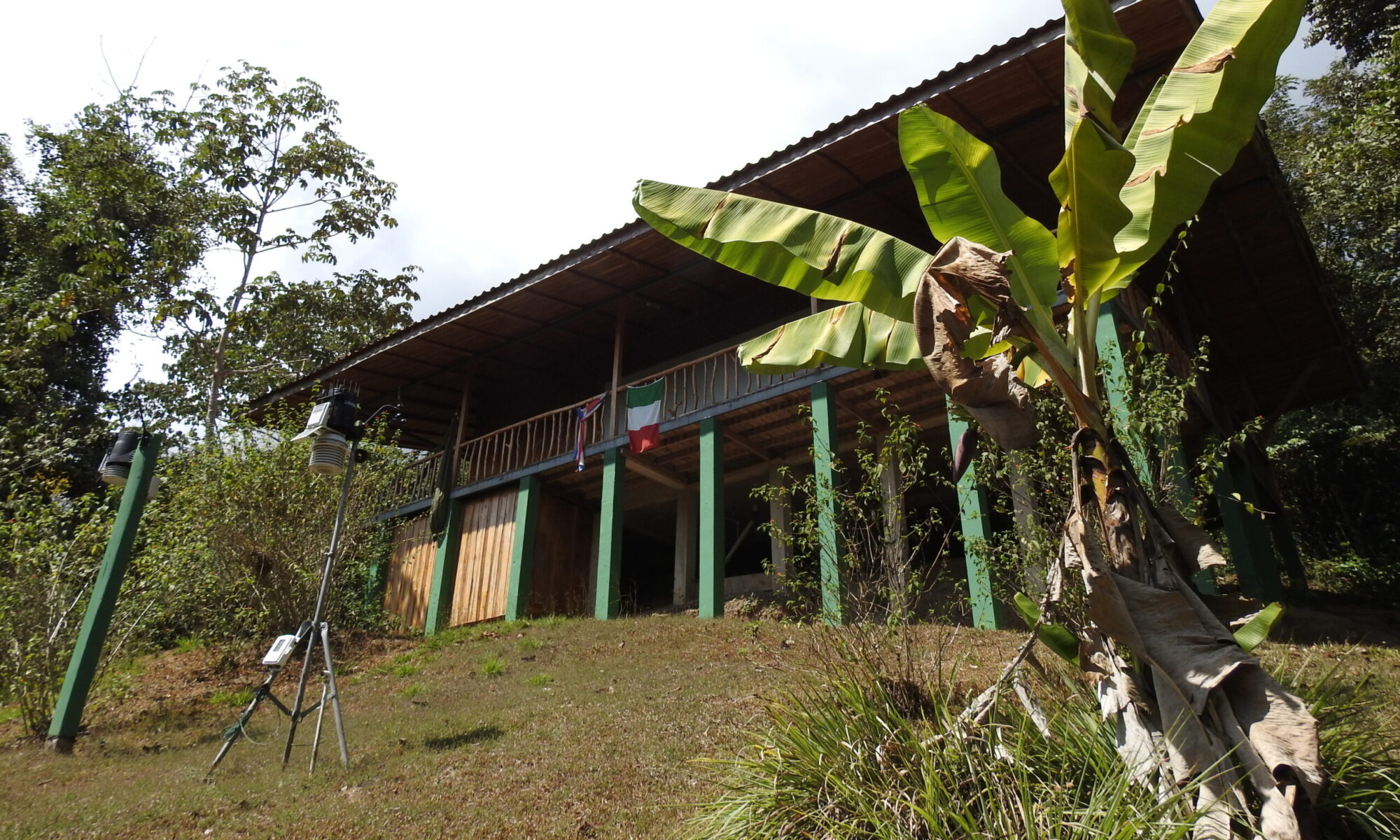
The analyses will continue in the coming months, also using observations from the Karen Mogensen meteorological and climate station, with the aim of better understanding the link between ENSO and the local climate of the reserve.
Monitoring these phenomena is particularly important in a context of climate change, because it allows for improved seasonal forecasts and a better understanding of the climatic variations that influence the ecosystems of the Nicoya Peninsula.
